What to watch for in a Boston home
Living in a Boston rowhouse or a three-family townhouse means pressure and aging pipes show up differently. A plumber from Boston Plumber Water Heaters will tell you the most telltale signs come from water and how it behaves around fixtures. If you notice suddenly louder running water, a slight sulfur smell, or damp patches near walls, these are not normal quirks. They’re signals you should investigate before they turn into bigger problems.
Start with the basics: where is the water coming from and when does it happen? Is the sound continuous or intermittent? Does the smell intensify near a specific room or floor? These details help a plumber diagnose without digging up your yard or tearing through ceilings. In Boston, where homes often share walls with neighbors, small leaks can spread quickly along concealed channels, so early detection matters.
Common indicators also include a sudden rise in water bill without increased usage and fixtures that run longer than they should. If your cold or hot water takes longer to fill a tub, or if the pressure seems uneven between taps on the same floor, it may point to a pressure imbalance or a hidden leak. Pay attention to the little things; they’re usually the first signs a plumber needs to check.
What causes these signals in Boston homes
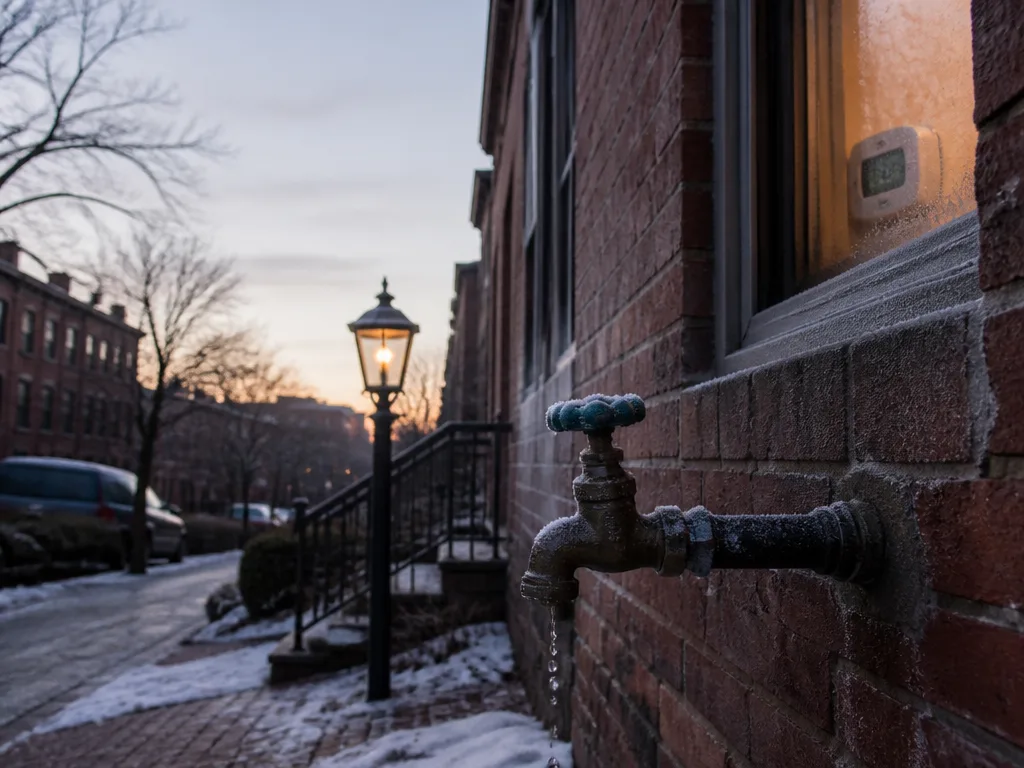
Old piping is a frequent culprit in Boston. Copper can corrode, and galvanized piping is notorious for deposits that restrict flow. In areas with seasonal freezes, moisture can creep into small cracks and expand, making leaks worse over time. A plumber will look for joint wear, rust on fittings, and any place where pipes run through unheated spaces like basements and crawl spaces.
Another common source is fixtures that aren’t draining properly. In older homes, clogging can back up into sinks, tubs, or even the main line if there’s a slow drain. A careful inspection by a plumber helps pinpoint whether it’s a single fixture or a larger line that needs attention.
When to call a Boston plumber
If you notice pooling water, damp walls, or any smell that’s not right, it’s time to pick up the phone. A quick consultation with Boston Plumber Water Heaters can walk you through next steps. For non-emergency signs, you can start by turning off the affected fixture if safe and noting the time, what you were doing, and any changes you’ve seen in the minutes after. This information speeds up the visit.
Keep a small log of changes: dates, where you saw the issue, and any noises or odors. When you call, share that log with our team. We’ll schedule a visit at a reasonable time and bring basic diagnostic tools to identify leaks, pressure issues, or failing fittings. Our goal is to confirm the problem and outline options that fit a Boston budget and home layout.
Simple checks you can perform now
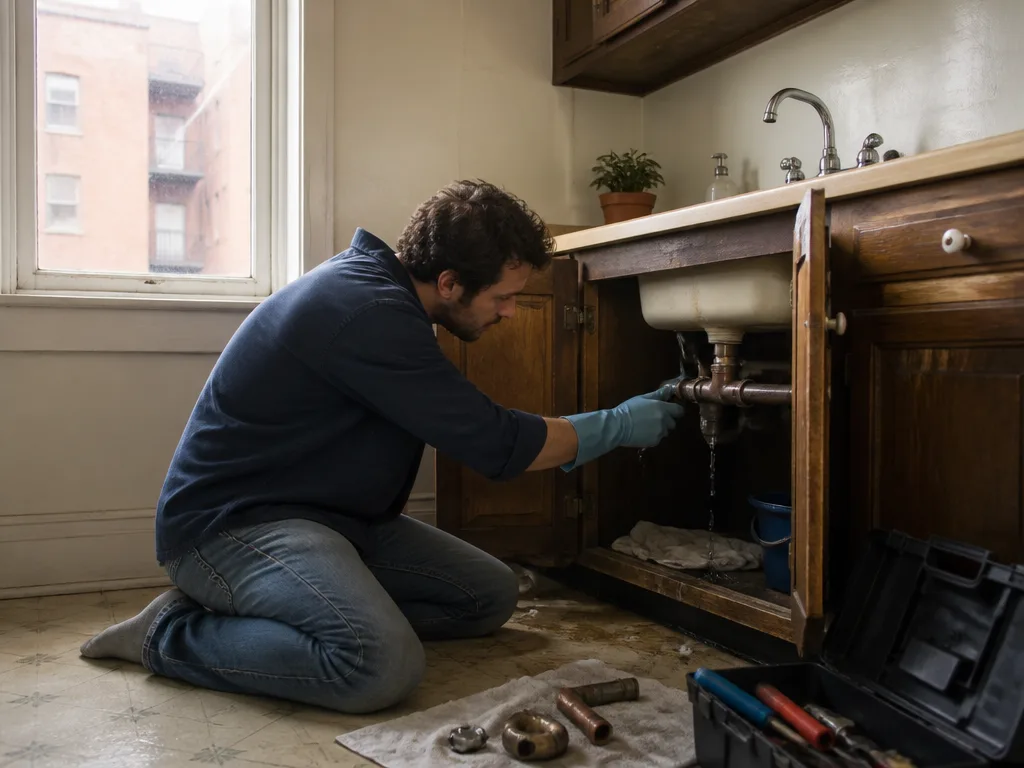
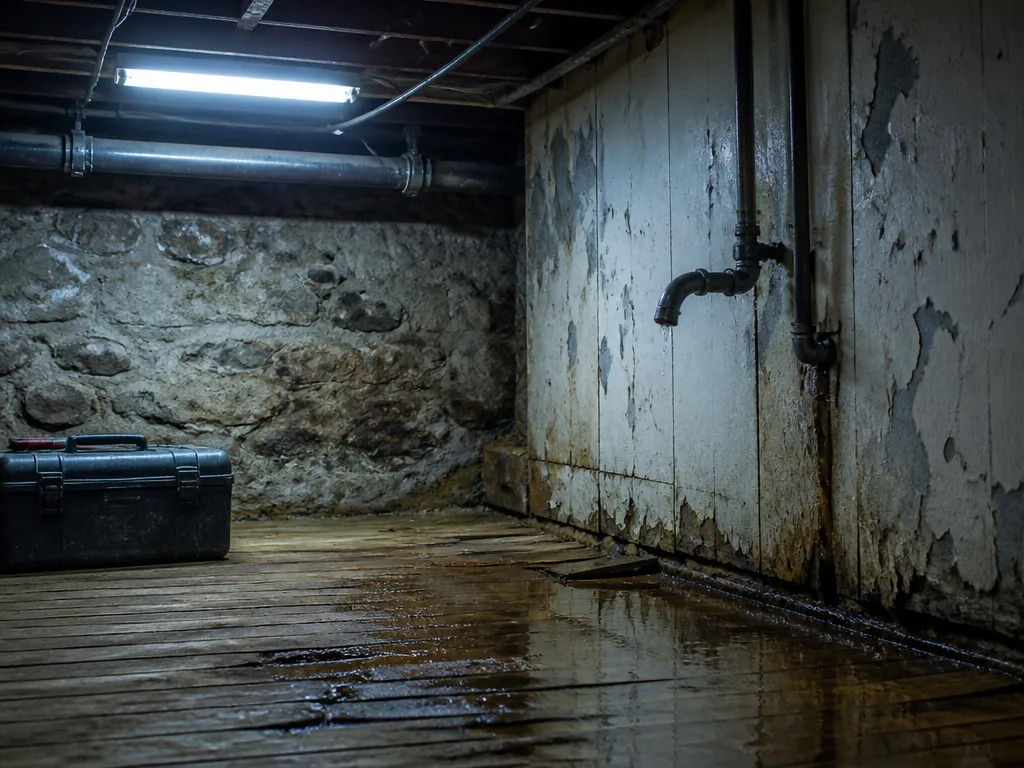
Inspect exposed pipes for damp spots, which are often a sign of a slow leak. Look under sinks and behind appliances for colored water stains or a musty odor. If you have a cellar or basement, check for mold or water trails along lower walls. If you see a consistent drip or hear a quiet leak, avoid turning off the main shutoff unless you know what you’re doing. A professional should handle most shutoffs to prevent a larger problem.
When in doubt, call Boston Plumber Water Heaters. We’ll help determine if a quick tightening is all that’s needed or if you’ll need a repair plan for a more serious issue.